
Choosing a travel destination around the world is no longer just about flipping through a catalog of paradise beaches. Several iconic sites now impose daily visitor quotas or mandatory reservations, such as Machu Picchu in Peru or certain trails in U.S. national parks. This factor changes the way to plan an unforgettable trip and encourages travelers to rethink their choices well in advance of departure.
Visitor quotas and mandatory reservations: what changes for popular destinations
Have you ever tried to book a slot for a well-known natural site and found out that you needed to plan weeks, sometimes months, in advance? This situation is becoming common.
Recommended read : The best zero-calorie foods for a healthy and balanced diet
The principle is simple: to protect the landscapes and local life, some countries limit the number of entries per day to their most fragile sites. Machu Picchu operates with a strict time slot system. Several U.S. national parks have adopted seasonal access permits.
Booking early now conditions access to the most sought-after sites. It is no longer just a simple organizational tip; it is a logistical constraint that can alter an entire itinerary. A traveler planning a round-the-world trip with multiple stops must integrate these reservation calendars from the design stage of their journey, or risk having to forgo certain visits.
You may also like : Windows 12: discover the release date and expected new features
To explore possibilities by continent or theme, travel options on Panorama du Monde allow for comparing destinations based on their current access conditions.
Alternative destinations to the classic overcrowded spots
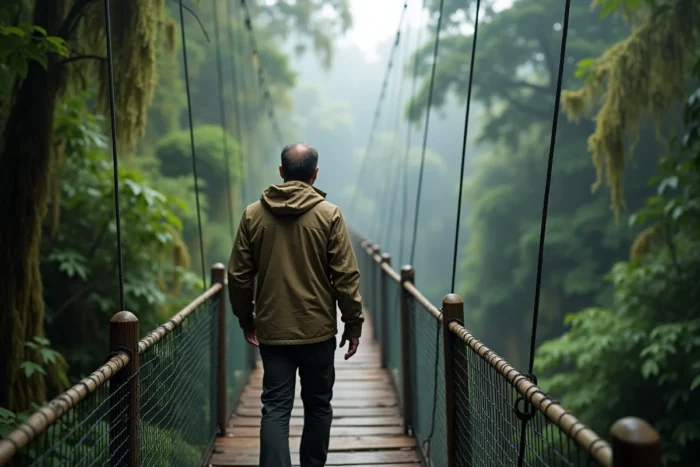
Travel guides are noticing a marked increase in searches for less frequented destinations. The Faroe Islands, Galicia, or certain Central Asian countries attract travelers in search of authenticity, far from the queues.
Why this shift? Two concrete reasons. First: alternative destinations often offer comparable landscapes without the tourist pressure. Second: the cost of living is generally lower, which extends the possible duration of the stay.
Some concrete suggestions by continent
- In Europe, Galicia offers a wild coastline, fishing villages, and a seafood cuisine that rivals neighboring Portugal, with much lower visitor numbers.
- In the North Atlantic, the Faroe Islands combine dizzying cliffs, seabird colonies, and a unique island culture, accessible by flight from several European capitals.
- In Central Asia, countries like Uzbekistan or Kyrgyzstan open up routes where nature, mountains, and the history of the Silk Road can be explored without crowds.
These destinations do not replace a trip to Japan or Iceland. They complement a journey by adding stops that the majority of travelers are not yet familiar with.
Low-carbon travel: long itineraries rather than multiple flights
Recent recommendations from major guides incorporate an environmental impact criterion. The trend is clear: a prolonged stay in the same area is gradually replacing itineraries with multiple flights.
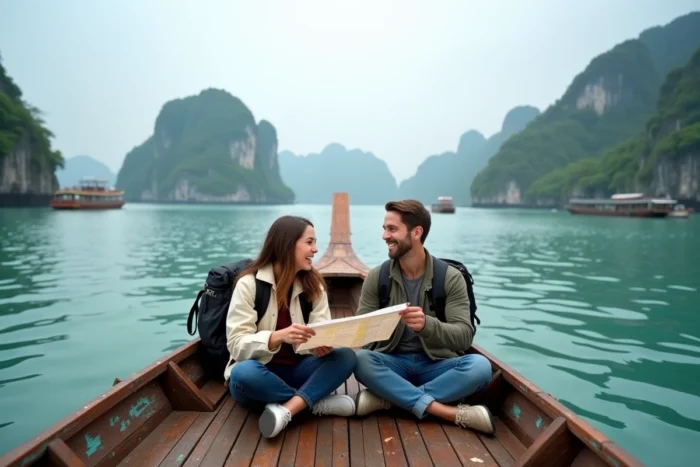
In practical terms, this means prioritizing trains to connect several cities within the same country or region. In Europe, overnight train journeys are experiencing a resurgence of interest. In Southeast Asia, long-distance bus routes and ferries allow for crossing several countries without flying.
This choice has a positive side effect: it slows down the pace of travel. Spending a week in a single city allows one to go beyond the tourist surface. You discover everyday markets, residential neighborhoods, and local habits. It is often from these slow immersions that the most memorable memories are born.
Examples of regional itineraries without flying
A train circuit from Lisbon to Istanbul crosses Portugal, Spain, southern France, Italy, Slovenia, Croatia, Serbia, and Turkey. Each stop can last several days. The journey itself becomes the destination.
In South America, a land route connecting northern Peru to Argentine Patagonia passes through landscapes of desert, Andean forest, and steppe, with stops in cities with strong cultural identities.
Safety and entry conditions: a central selection criterion
Choosing the most beautiful destinations in the world without checking the political stability and health requirements of a country would be a costly mistake. Entry conditions vary greatly from one country to another and can change in just a few weeks.
Before finalizing an itinerary, three checks are essential:
- Visa requirements and their processing times, which can range from free on arrival to several weeks of consular procedure.
- Official recommendations from the Ministry of Foreign Affairs regarding safety in the targeted area.
- Travel insurance coverage, especially for outdoor activities (high-altitude trekking, diving, glacier hiking).
These checks only take a few hours and prevent complicated situations on-site. An unforgettable trip begins with a well-prepared journey from an administrative standpoint.
The choice of a destination around the world increasingly depends on practical factors: access quotas, carbon impact, local stability. Travelers who integrate these criteria from the planning stage gain access to deeper experiences, in less saturated places, with a peace of mind that aesthetic criteria alone do not guarantee.