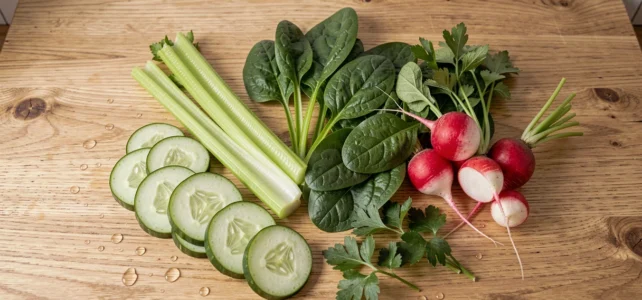
We prepare a plate of raw vegetables for dinner, fill the bowl with soup before the main course, and snack on cucumber sticks while watching a movie. Each time, the reflex is the same: to seek volume without increasing the daily caloric intake.
The problem is that the expression “calorie-free foods” is misleading. Only water contains absolutely no calories. Everything else provides a minimum of energy, even the lightest vegetables. The real issue is about low caloric density combined with a high satiety effect, not a quest for absolute zero.
See also : Fruitless Plane Tree Mulberry: Common Causes and Solutions for a Better Harvest
Caloric density and satiety effect: two concepts not to be confused
A food can be very low in calories without curbing hunger. Think of iceberg lettuce: it weighs almost nothing on the energy scale, but it doesn’t keep the body satisfied for more than twenty minutes. In contrast, a bowl of lentils concentrates more calories per gram while maintaining satiety for several hours thanks to its fiber and protein content.
The logic that works in everyday life does not rely on a single miracle food. It is based on a combination of volume, fiber, and protein in the same meal. A cucumber alone does not constitute a meal. A cucumber accompanied by plain yogurt and a slice of whole grain bread does.
Recommended read : How to Successfully Calculate the Distance and Slope Percentage of a Ramp
As detailed in articles from Santé au Quotidien, choosing foods with low energy density only makes sense if they are integrated into a diet that also meets macronutrient needs.
Water-rich vegetables and mushrooms: useful volume for daily meals
When looking to fill the plate without increasing calories, water-laden vegetables remain the most direct lever. Cucumbers, celery, zucchini, and radishes share a common point: their water content far exceeds their carbohydrate content.
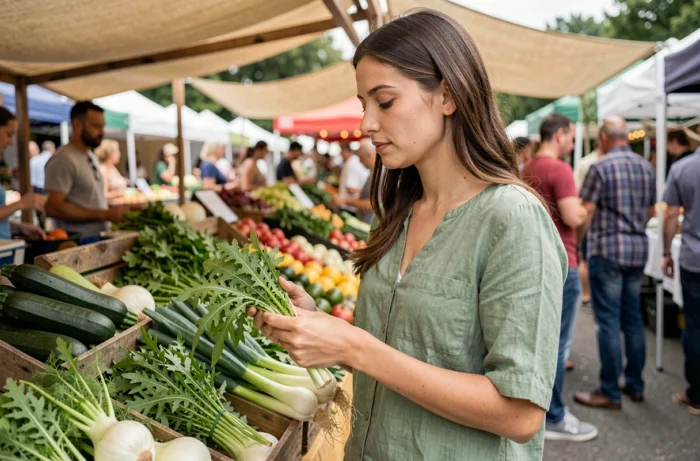
Mushrooms deserve a special mention. They are often forgotten in lists of low-calorie foods, yet they provide a substantial texture and an umami flavor that enhances any dish. Sliced button mushrooms in an omelet, sautéed shiitakes on brown rice, grilled oyster mushrooms as a side: they add body to the meal without weighing down the energy balance.
A practical reflex that changes the game in the kitchen: frozen vegetables are just as nutritious as fresh ones. Frozen green beans, broccoli, and spinach portions allow you to always have a stash of vegetables available, even when the fridge’s vegetable drawer is empty. This helps avoid a 100% starchy meal by default.
Light broth soups as a satiety tool
Preparing a soup with homemade vegetable broth (or a low-salt cube) and various vegetables produces a large volume for minimal caloric intake. The concrete advantage: consumed as a starter, a hot soup slows down food intake and triggers satiety before the main course.
Feedback on this point varies, but several sources converge on the idea that a meal started with broth or soup naturally reduces the amount consumed afterward.
Low-calorie and satiating foods: combinations that satisfy
A common mistake is to stack ultra-light foods, thinking that volume alone will curb hunger. A meal consisting solely of green salad, tomato, and cucumber leaves the feeling of hunger intact after an hour. It lacks two pillars: lean proteins and soluble fibers.
Here are some concrete combinations that work in everyday life:
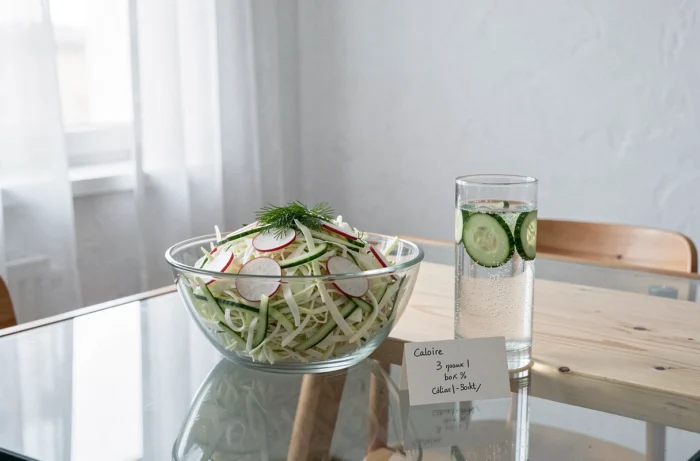
- Cucumber and radish salad with diced grilled chicken breast and a spoonful of pumpkin seeds: the volume comes from the vegetables, and the satiety comes from the protein and the crunch of the seeds
- Steamed broccoli bowl with plain cottage cheese and oats: the fiber from broccoli and oats slows digestion, while the cottage cheese provides protein without excess fat
- Sautéed mushrooms with a fillet of white fish (cod, pollock) and spinach: a complete meal, rich in micronutrients, with moderate caloric intake
- Blended zucchini soup topped with crumbled hard-boiled egg: the liquid volume curbs hunger, and the egg stabilizes blood sugar
Fruits to prioritize when wanting to limit calories
Not all fruits are equal in terms of caloric density. Berries (strawberries, raspberries, blueberries) and citrus fruits (grapefruit, clementine) are among the lowest in calories while providing vitamins and fiber. The apple, with its pectin, remains an effective hunger suppressant between meals.
An entire fruit always satisfies more than a juice, even freshly squeezed. Juice removes fiber and concentrates sugar, leading to a spike in blood sugar followed by a quick return of hunger.
Nutritional limits of a diet focused on very low-calorie foods
Relying exclusively on foods with very low caloric density exposes one to deficiencies. Quality fats (olive oil, avocado, nuts) and complex carbohydrates (legumes, whole grains) remain essential for the normal functioning of metabolism. Reducing calories does not mean eliminating fats or starches.
A diet that is too restrictive in energy ultimately slows down the basal metabolism, producing the opposite effect of what is sought. You lose less and recover faster. Low-calorie vegetables serve as a volumetric base for the meal, not as a substitute for all other food groups.
- Proteins (eggs, fish, legumes, poultry) preserve muscle mass during a weight loss phase
- Unsaturated fats aid in the absorption of fat-soluble vitamins present in vegetables
- Complex carbohydrates provide the stable energy necessary for physical activity and concentration
The goal of a balanced diet is not to eat as little as possible, but to compose nutrient-dense meals for controlled caloric intake. Very low-calorie foods contribute as one component, not as a unique strategy. Keeping this distinction in mind helps avoid excessive diets and the frustrations that follow.